
A smart door lock can do much more than replace a traditional key. When connected with a home automation system, it can become part of a wider setup that manages access, security and other functions around the home.
Instead of treating the door lock as a standalone device, home automation allows it to work alongside systems such as video door phones, gate automation, lighting, security systems and mobile control. The exact level of integration depends on the lock, automation platform and communication technology used.
What Is a Smart Door Lock?
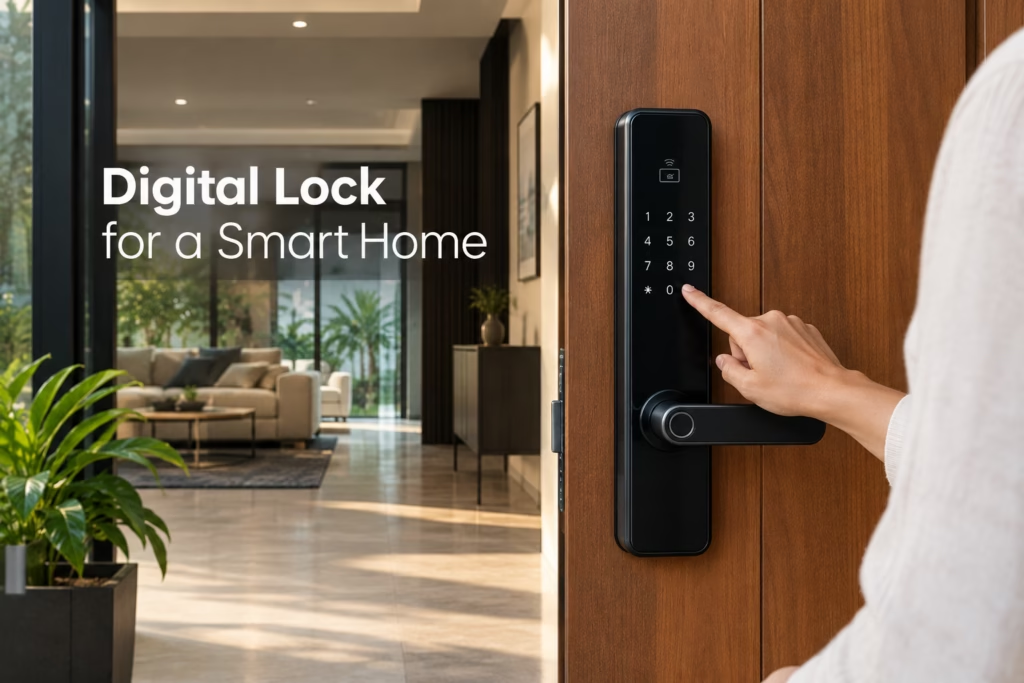
A smart door lock is an electronic locking system that allows users to enter without relying only on a conventional physical key. Depending on the model, access may be provided through a fingerprint, PIN, RFID card, mobile application, Bluetooth, or other supported authentication methods.
The main difference is that access can be managed electronically. This can make it easier to provide access to family members, staff or visitors without having to create and distribute additional physical keys.
A smart door lock can also provide useful information about access and, with compatible systems, communicate with other devices in a smart home.
How Does a Smart Door Lock Work With Home Automation?
The basic idea is simple: the smart lock becomes one component of the larger home automation system. When someone is authorised to enter, the lock verifies the selected access method and releases the locking mechanism. If the lock supports integration with the home’s automation platform, information or commands can then be shared between the lock and other connected systems.
For example, unlocking the main door could be used as a trigger for an automation scene. Depending on the system, the entrance light could turn on, a video door phone could be linked to the access process, or other predefined functions could be activated.
This means the lock is no longer working independently. It becomes part of a connected home automation and security setup.
What Access Methods Can Smart Door Locks Use?
Different smart door lock models support different access methods. The right option depends on how the home is used and what level of access management is required.
Fingerprint Access
Fingerprint access allows registered users to unlock the door using their biometric credentials. It can be convenient for family members because there is no physical key or card to carry.
PIN or Password Access
A PIN-based digital door lock allows users to enter a programmed code on the keypad. Depending on the model, different users or temporary access codes may be supported.
RFID Card or Key Tag
RFID access uses a registered card or tag to authenticate the user. This can be useful when multiple people need controlled access without sharing a physical key.
Mobile App Access
Some connected smart locks can be managed through a mobile application. Depending on the model and integration, users may be able to check the lock status, manage access or control the lock remotely.
Not every smart lock supports every method, so the access methods should be considered before selecting a system.
Smart Door Locks and Home Automation: What Can Be Integrated?
The biggest advantage of integrating a smart door lock with home automation is the ability to coordinate different systems.
For example, a homeowner may have:
- Smart door locks
- Video door phones
- Gate automation
- Smart lighting
- Alarm systems
- Home automation controls
- Mobile access
Instead of operating every system separately, compatible devices can be planned as part of one automation setup.
Consider arriving home in the evening. The gate automation can provide vehicle access, the video door phone can help identify visitors, and the smart door lock can control entry into the house. Once inside, the automation system can activate a predefined lighting or comfort scene.
The exact functions depend on the products and automation platform being used, but the principle remains the same: different systems work together instead of functioning as isolated devices.
Smart Door Lock and Video Door Phone
A smart door lock can be particularly useful when combined with a video door phone.
A video door phone allows homeowners to see and communicate with a visitor before granting access. If the door lock and video door phone are compatible with the automation system, access can become part of a more controlled entrance-management setup.
This can be useful for homes where homeowners regularly receive visitors, domestic staff, deliveries or service personnel.
The important point is that a video door phone and a smart lock perform different functions. The video door phone helps with visitor identification and communication, while the smart lock manages physical access to the door.
Smart Door Lock and Gate Automation
For larger homes and villas, access often starts before reaching the main entrance.
A typical setup may include gate automation at the property entrance, a video door phone for visitor communication and a smart door lock for the main door.
These systems can be planned together so that the overall entrance experience is more organised. Instead of selecting each device independently, the automation requirements can be considered from the gate through to the main entrance.
This is particularly useful when planning a complete home automation system for a new villa or residence.
Can Smart Door Locks Improve Home Security?
A smart door lock can provide additional access-management features that are difficult to achieve with a conventional key.
Instead of giving someone a physical key, access can potentially be provided through a PIN, fingerprint, card or supported digital credential. Depending on the system, access permissions can also be managed when requirements change.
However, a smart lock should not be considered a complete security system by itself. Alarm systems, video surveillance, video door phones, access control and other security technologies can address different parts of home security.
The most effective approach is to consider how these systems should work together rather than relying on a single device.
Can Smart Door Locks Be Added to an Existing Home?
Yes, depending on the door, existing lock arrangement and the smart lock selected.
For an existing house, the first step is to check the door structure and current locking mechanism. The available space, door thickness, lock type and compatibility with the required automation system can all affect which smart door lock is suitable.
If the home already has automation or security systems installed, compatibility should also be checked before purchasing a new lock.
For this reason, choosing a smart lock should not be based only on its appearance or the number of features listed on the product page. Door compatibility and system integration are equally important.
Smart Door Locks for New Homes
Planning a smart door lock during the early stages of a new home can provide more flexibility.
When the automation system is considered along with electrical planning, networking, security, gate automation and other smart-home requirements, the installation can be designed as a complete system rather than adding individual devices later.
This is especially relevant for villas and larger homes where homeowners may want to combine lighting automation, curtain automation, climate control, entertainment, security and access control.
Early planning also makes it easier to discuss how different systems should interact before installation begins.
What Should You Check Before Choosing a Smart Door Lock?
The right smart door lock depends on the project, not simply on how many features the product has.
Before selecting a smart home door lock, consider:
Access method: Decide whether fingerprint, PIN, RFID, mobile access or a combination is suitable for the household.
Door compatibility: The lock must be compatible with the existing or planned door and locking mechanism.
Integration: If the lock needs to work with home automation, check whether it is compatible with the selected automation platform.
Power and backup: Understand how the lock operates when its battery is low or when there is a power or connectivity issue.
Security requirements: Consider how access should be managed for family members, staff, visitors and other users.
Installation: Correct installation is important for reliable operation. A technically suitable product can still create problems if it is not properly fitted or configured.
Future expansion: If you plan to add gate automation, video door phones, lighting or security systems later, consider whether the chosen lock can fit into the overall automation plan.
Smart Door Locks Are One Part of a Connected Home
The real value of a smart door lock becomes clearer when it is considered as part of the complete home automation system.
A digital lock can provide convenient access. A video door phone can help manage visitors. Gate automation can control vehicle entry. Lighting and other automation systems can respond to predefined events. When these systems are planned together, they can provide a more coordinated experience throughout the home.
This is why choosing a home automation company should involve more than selecting individual smart devices. The installation team should understand how the different systems need to communicate, how they should be configured and how the setup can be expanded in the future.
Planning Smart Access for Your Home?
If you are planning home automation, smart door locks, gate automation or integrated security for a new or existing home, the right system depends on your property, daily usage and the level of integration you need.
eSmart can help with home automation solutions, smart door locks, security systems, installation and technical support, allowing the different requirements to be considered as part of one project rather than as separate products.
Plan your smart home around how you actually use it, starting with the entrance, access and security.